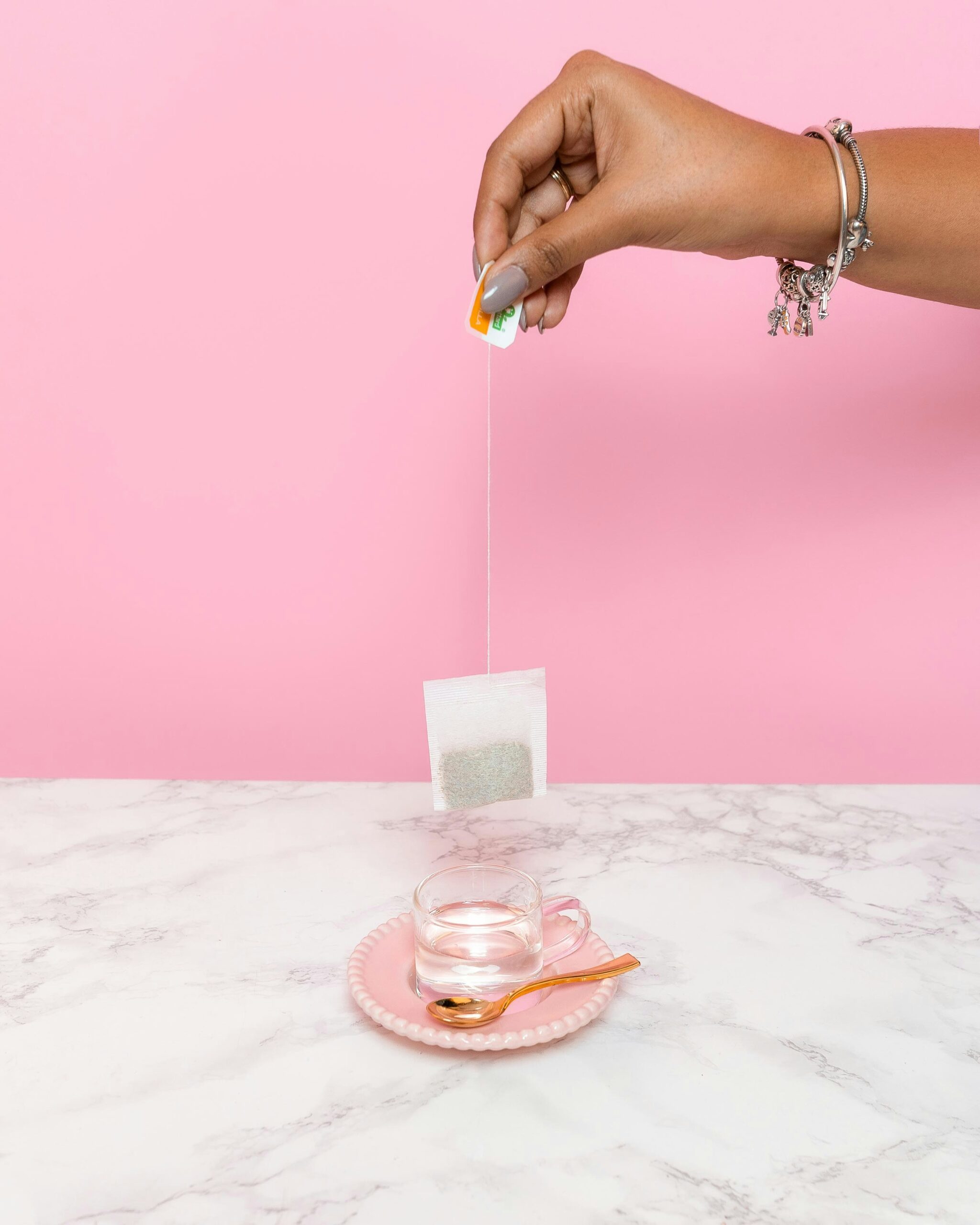
Modern life is loud. Phones beep, emails pile up, your group chat will not stop, and somehow it is already Thursday again. We could all use a little calm in a cup. Enter ashwagandha tea, the cozy drink that has been helping people relax for thousands of years. Yes, thousands. This plant has serious history.
So pour yourself some Happy Water, put the kettle on, and let us take a deep dive into the warm, earthy, slightly funky world of ashwagandha tea.
So what is ashwagandha?
Ashwagandha is a little shrub with a big name. The plant grows in India, the Middle East, and parts of Africa. People also call it Indian ginseng or winter cherry. Its real scientific name is Withania somnifera, which sounds like a wizard spell, but it just means “sleep bringer.” Fitting, right?
The part of the plant people usually use is the root. It has a strong, earthy smell. Some people say it smells a bit like a horse, which is actually where the name comes from. “Ashwa” means horse in Sanskrit. The idea is that drinking it gives you the strength of a horse. Yes, really.
Ashwagandha is part of a group of plants called adaptogens. That is a fancy word for plants that may help your body deal with stress. They do not fix everything, but they have been used for ages to help people feel a bit more balanced.
What exactly is ashwagandha tea?
Ashwagandha tea is just water that has been hanging out with ashwagandha root or powder for a while. Simple as that. The root gives off its flavor and goodness into the water, and you sip the result. No magic, no wizardry, just a calm cup of warmth.
You can find ashwagandha tea in a few different forms.
- Loose root pieces, which look like small bits of dried wood.
- Ashwagandha powder, ready to stir into hot water or milk.
- Tea bags, where the root is mixed with other herbs like ginger or cinnamon.
- Ready made blends, often combined with green tea, black tea, or rooibos.
Fun fact: ashwagandha is not actually a true tea. True tea comes from the Camellia sinensis plant. Ashwagandha is what people call a “tisane” or herbal infusion. But “ashwagandha tisane” does not roll off the tongue, so we just call it tea. Easier that way.
The story of ashwagandha
Ashwagandha has been a star in Ayurveda for over 3,000 years. Ayurveda is the traditional medicine system from India. People used ashwagandha for tons of things, from helping with sleep to giving warriors more energy before battle. Pretty cool resume for a plant.
In recent years, ashwagandha has become a big deal in the West too. You will see it in supplements, smoothies, and yes, lots of teas. It is one of the most popular adaptogens on the wellness scene. Move over kale, there is a new herb in town.
What does ashwagandha tea taste like?
Let us be honest. Ashwagandha tea has a flavor. It is earthy, a bit bitter, and slightly grassy. Some people say it tastes like a forest floor in a good way. Others say it tastes like a forest floor in a not so good way. Taste is personal, my friend.
The good news is that ashwagandha plays really well with other flavors. Most people drink it with a little something extra to make it more fun. Popular pairings include ginger, cinnamon, cardamom, honey, vanilla, or even a splash of milk. With a few add ins, ashwagandha tea can taste like a cozy hug.
Why people sip ashwagandha tea
People drink ashwagandha tea for lots of reasons. Some are scientific, some are tradition, and some are just because it feels nice. Here are the main reasons fans keep brewing.
- Many people say it helps them feel less stressed. Studies suggest it may help lower cortisol, which is your body’s stress hormone.
- It is often used as a sleep aid. Remember, somnifera means “sleep bringer.” A warm cup before bed can be a nice ritual.
- Some people find it boosts their energy and focus during the day. It is not a coffee replacement, but it helps you feel a little more steady.
- It may support a healthy immune system. The plant is packed with compounds that scientists are still studying.
- Many fans simply love the ritual. Making a cup, smelling the herbs, and slowing down is good for the soul.
Quick note: ashwagandha is a herb, not a miracle. If you have a health problem, talk to a doctor. Tea is lovely, but it is not a cure all.
How to brew ashwagandha tea
Making ashwagandha tea is pretty easy. You just need water, ashwagandha, and a little patience. Here is the classic method using the root.
- Take about one teaspoon of dried ashwagandha root or half a teaspoon of powder.
- Add it to one cup of water in a small pot.
- Bring it to a gentle boil.
- Lower the heat and let it simmer for 10 to 15 minutes. Yes, this tea likes to take its time.
- Strain the tea into a cup. The root is not pleasant to chew.
- Add honey, lemon, ginger, or whatever makes you smile.
If you are using tea bags, the process is way faster. Just pour hot water over the bag and let it steep for 5 to 10 minutes. Boom, done.
The famous ashwagandha moon milk
If you want to feel really fancy, try ashwagandha moon milk. It is a warm bedtime drink that is basically a hug in a mug. The recipe is super simple.
Heat up a cup of milk (regular or plant based). Stir in half a teaspoon of ashwagandha powder, a pinch of cinnamon, a pinch of cardamom, and a little honey. Sip it slowly while wrapped in a blanket. You will feel like the cozy main character of a wellness movie.
The Happy Water connection
Here is the thing about herbal tea. The water you use matters a lot. Ashwagandha is already an earthy, strong tasting root. If your water has weird tastes from chlorine or hard minerals, your tea will end up tasting like a chemistry experiment. Not the goal.
Happy Water is clean, fresh, and pure. That gives the ashwagandha room to do its thing. The earthy notes come through softer. The flavors of the herbs you add pop more. And your cup feels lighter, not muddy.
So if you want your ashwagandha tea to taste its best, start with great water. Then add a great root. Your taste buds will thank you.
When to drink ashwagandha tea
Ashwagandha tea works for lots of moments in your day. Here are some of the best times to brew a cup.
- In the evening, about an hour before bed. The calming effect can help you wind down.
- During a stressful afternoon, when the day feels too much.
- After a workout, to help your body relax and recover.
- On a cold day, when you want something warm and earthy in your hands.
- During a quiet self care moment, like reading a book or taking a long bath.
Things to know before you sip
Ashwagandha is generally safe for most people, but it is not for everyone. Here are a few important things to keep in mind.
- Pregnant or breastfeeding? Skip it or talk to your doctor first.
- On medication? Some meds, especially for thyroid or blood pressure, can interact with ashwagandha. Always check with a professional.
- Got allergies to nightshade plants? Ashwagandha is part of the nightshade family, so be careful.
- Drinking too much can upset your stomach. Start with one cup a day and see how you feel.
Bottom line: ashwagandha tea is a lovely drink for most adults, but it is smart to listen to your body and talk to a doctor if you have concerns.
Ashwagandha tea myths, busted
Myth: It works the first time you drink it
Not really. Ashwagandha is a slow burn. Most people notice changes after a few weeks of regular use. One cup will not turn you into a zen master overnight.
Myth: It tastes terrible
It tastes earthy, sure. But terrible? No way. With a little honey, ginger, or cinnamon, ashwagandha tea can be really tasty. Plus, your taste buds get used to it pretty fast.
Myth: It puts you to sleep instantly
Nope. Ashwagandha is not a sleeping pill. It helps your body relax and may make it easier to fall asleep over time, but it does not knock you out. Cozy, not coma.
How to store ashwagandha
Ashwagandha is pretty chill when it comes to storage. Keep your root or powder in an airtight container, away from sunlight and moisture. A dark cupboard works great. If you keep it in good shape, it stays fresh for up to a year.
Tea bags should also live in an airtight container or their original sealed pouch. Keep them away from strong smelling foods, because herbs love to soak up other flavors. Onion flavored tea is not a vibe.
Time to make a cup
Ashwagandha tea is a small daily ritual that can do big things for how you feel. It is warm, it is calming, and it has been helping people slow down for thousands of years. Whether you sip it before bed, during a busy day, or after a long workout, it is a gentle reminder to take a breath and just be.
Grab some ashwagandha, pour a fresh glass of Happy Water, and brew yourself a cup. Your future calm self will thank you.
Now go relax. You have earned it.