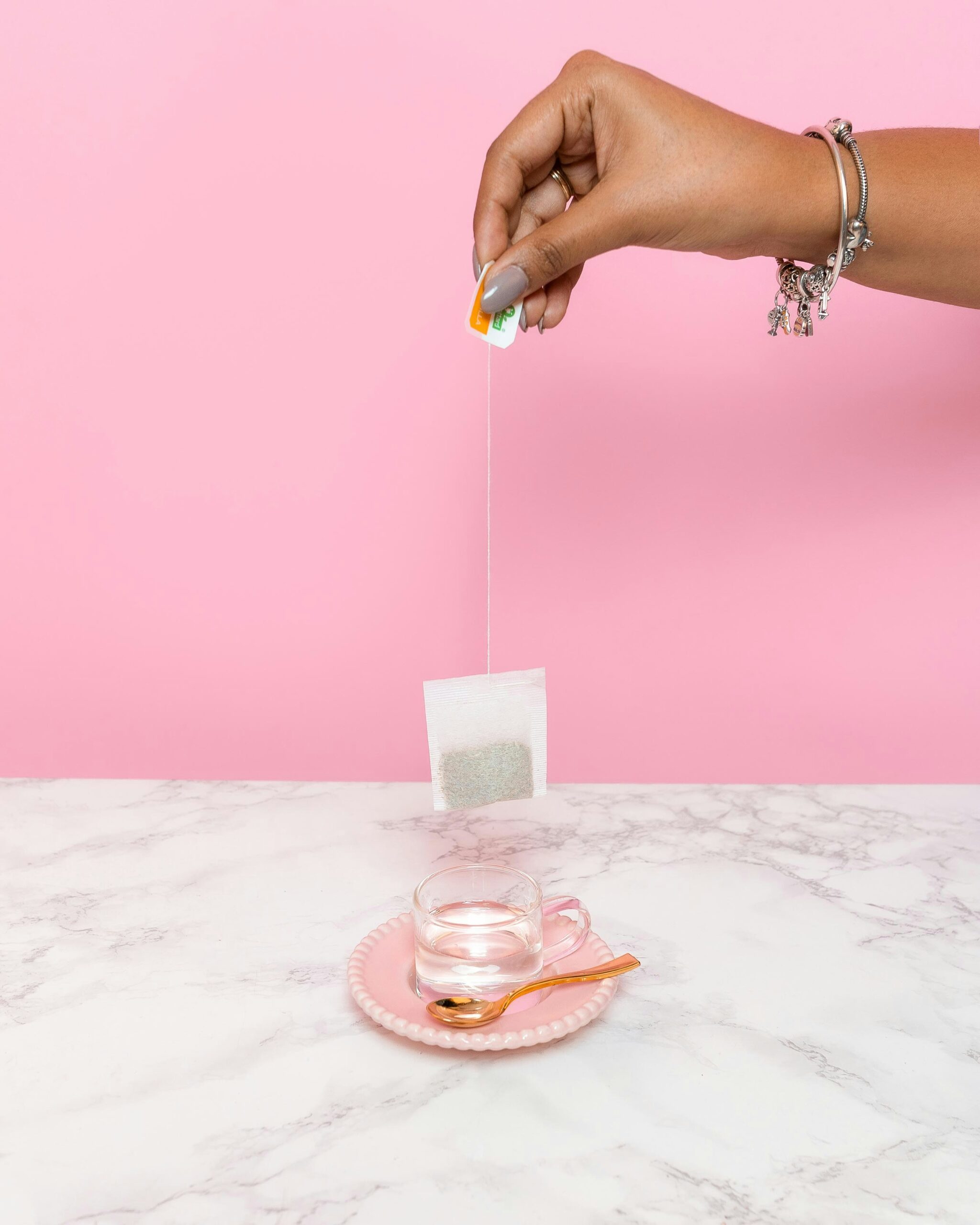
If your current relationship with green tea feels a bit… stagnant, you aren’t alone. For many, green tea evokes memories of bitter, grassy brews or “detox” drinks that taste more like a lawnmower’s bag than a luxury experience. But there is a darker, smokier, and infinitely more sophisticated side to the Camellia sinensis plant that the Western world is finally waking up to.
Enter Hojicha.
The roast that changed everything
Most Japanese green teas, like Sencha or Matcha, are steamed immediately after harvesting to preserve their bright green color and vegetal “umami” flavor. Hojicha breaks the rules. Originating in Kyoto in the 1920s, this tea is created by roasting green tea leaves (and often the stems) in a porcelain pot over charcoal at high temperatures.
This intense heat triggers the Maillard reaction—the same chemical magic that happens when you sear a steak or toast bread. The leaves transform from vibrant green to a deep, earthy reddish-brown. The flavor profile shifts entirely: the grassiness vanishes, replaced by a bouquet of toasted hazelnuts, burnt caramel, and a subtle hint of campfire smoke.
Why Hojicha is the ultimate “Urban Nightcap”
At happywater.ch, we focus on “Wellness without the clinical bore.” Hojicha fits this mission perfectly because of its unique chemical composition.
The Low-Caffeine Loophole: The high-heat roasting process naturally decaffeinates the tea. While a cup of Matcha might power your 9 AM board meeting, Hojicha is your 9 PM wind-down. It offers the polyphenols and antioxidants of green tea without the midnight jitters. It’s the “chill” without the crash.
The Pyrazine Effect: Beyond caffeine, the roasting process creates pyrazines—aromatic compounds known to have a relaxing effect on the mind. It’s a sensory experience that signals to your brain that the workday is officially over.
The “Anti-Bitter” Guarantee: One of the biggest barriers to tea drinking is the fear of over-steeping. If you leave a Sencha in the water for five minutes, it becomes undrinkable. Hojicha is incredibly forgiving. Because it’s already been “cooked,” it maintains its smooth, mellow body even if you’re a bit distracted by your latest Netflix binge.
Aesthetics matter: The “shelfie” Factor
We believe that tea should look as good on your kitchen counter as it tastes in your cup. Our Organic Hojicha isn’t hidden away in a dusty cardboard box. It’s housed in our signature matte black tinplate boxes.
Why? Because light is the enemy of tea quality, and black tin is the ultimate shield. But more importantly, we’re moving away from the “Grandma’s cupboard” aesthetic. We’re building a brand for the urbanite who appreciates art, minimalist design, and the “curated twist.” When you pull a Happy Water tin off the shelf, it’s a statement of intent: you value quality, you value craft, and you definitely don’t do “boring.”
How to brew the perfect cup
You don’t need a degree in tea mixology to enjoy Hojicha, but a few “pro-tips” from the Happy Water lab will elevate the experience:
- The Water: Unlike delicate white teas, Hojicha loves heat. Use water at about 90°C (194°F).
- The Dose: Use about 3–4 grams (roughly one heaped tablespoon) for a standard mug.
- The Time: Steep for 60 to 90 seconds. You’ll watch the water turn a beautiful, clear amber.
The Twist: While we love it pure, Hojicha makes an incredible “Hojicha Latte.” Froth some oat milk, add a touch of maple syrup (a nod to our Swiss-Canadian inspiration), and you have a nutty, creamy alternative to a standard latte.
Why Organic?
We don’t like to lecture, but we do care about the planet. All our Hojicha is sourced from organic gardens. Because you’re drinking the infusion of the leaf, you don’t want pesticides as an uninvited guest in your cup. We keep it clean, transparent, and high-grade.
The verdict
Hojicha is the bridge between the coffee world and the tea world. It has the body and roastiness that coffee lovers crave, with the health benefits and soul-soothing qualities of green tea. It’s a “hidden gem” in the tea world, and it’s time it took center stage in your kitchen.
What is your opinions on Hojicha ?