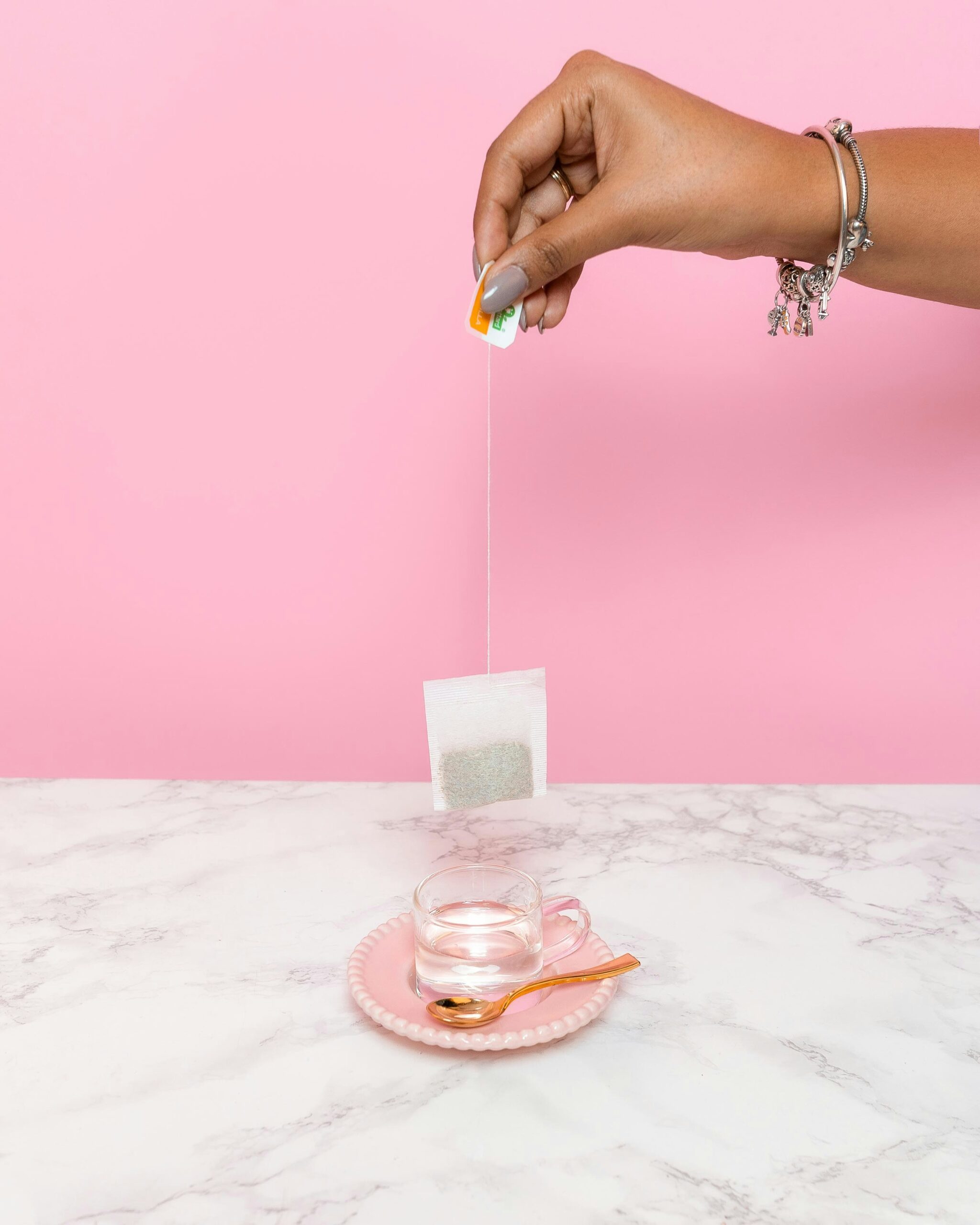
Tea fans love to talk about green tea. Black tea gets all the press. Matcha has its own Instagram fan club. Hojicha is hype. But there is one tea that quietly hangs out in the back of the shelf, looking elegant and waiting for its moment. That tea is white tea. And today we are giving it the spotlight it deserves.
So grab a cup, get comfy, and let us walk you through the gentle, dreamy world of white tea. Spoiler alert: it pairs really well with a glass of Happy Water.
So what is white tea, really?
White tea is the least processed type of tea on the planet. That is its whole personality. While other teas get rolled, fired, oxidized, twisted, and bossed around, white tea just gets picked and dried. That is it. No drama, no fuss.
It comes from the same plant as green tea, black tea, and oolong tea. The plant is called Camellia sinensis. Yes, all those famous teas come from the same little bush. The big difference is how the leaves are treated after they are picked.
For white tea, farmers pick the young leaves and buds when they are still covered in soft, silvery hairs. Then they let them wither and dry in the air. Sometimes the sun does the job. Sometimes a gentle indoor breeze. That is the whole process. Easy peasy.
Where does white tea come from?
White tea has roots in China, mostly in the Fujian province. People there have been making it for centuries. Some say it dates back to the Song Dynasty. Others go even further back. The exact origin is a bit of a mystery, but one thing is clear: people in China figured out a long time ago that fresh tea buds taste lovely with almost no fuss.
Today, white tea is also grown in other places like Sri Lanka, India, Nepal, and even parts of Africa. But the most famous white teas still come from China. If you want the classic taste, look for one with Fujian on the label.
The main types of white tea
White tea is not just one thing. There is a small family of white teas, each with its own vibe. Here are the stars of the show.
Silver Needle (Bai Hao Yinzhen)
This is the fancy one. The VIP. The white tea that wears a tiny silk robe to bed. Silver Needle is made only from the youngest buds, picked by hand in spring. It looks like little silver pins covered in soft fuzz. The taste is light, sweet, and a bit floral. If white tea had a celebrity, this would be it.
White Peony (Bai Mu Dan)
White Peony uses both buds and young leaves. It is a bit bolder than Silver Needle, with a deeper flavor and a soft, fruity finish. Think of it as Silver Needle’s slightly more outgoing cousin. Still gentle, but more chatty.
Shou Mei and Gong Mei
These two use older leaves and have a stronger taste. They are usually a bit cheaper, but still very tasty. Shou Mei has a slightly nutty, woody flavor. Gong Mei is the middle ground, sitting between White Peony and Shou Mei. Both are great everyday teas.
What does white tea taste like?
Imagine the lightest, softest tea you can think of. Now make it even lighter. That is white tea. The flavor is gentle, sweet, and a little flowery. Some people say it tastes like fresh hay, melon, or honeysuckle. Others say it tastes like a quiet morning in a garden.
White tea does not punch you in the face with flavor. It whispers. It gives you a little hug. It is the kind of drink you sip slowly while staring out the window and thinking deep thoughts. Or while watching cat videos. No judgement here.
Why people love white tea
White tea is famous for being the calm, cool kid of the tea world. But it has some serious perks too. Here is why fans keep coming back for more.
- It is packed with antioxidants. White tea has lots of polyphenols, which are tiny plant heroes that help your body fight off stress.
- It has less caffeine than coffee. So you can sip it all day without bouncing off the walls.
- It is gentle on the stomach. Good for sensitive tummies that say no thanks to strong drinks.
- It might be good for your skin. Some studies suggest white tea helps protect skin cells. So drink up and glow.
- It tastes good plain. No need for sugar, milk, or fancy syrups. Just hot water and tea leaves.
How to brew white tea like a pro
Brewing white tea is not hard. But it does need a little love. The biggest mistake people make is using water that is too hot. White tea is delicate. Boiling water will burn it and make it taste bitter. Nobody wants sad tea.
Here is the simple way to do it right.
- Heat your water to about 75 to 85 degrees Celsius. Not boiling. Just warm and friendly.
- Use one teaspoon of white tea leaves per cup. A little goes a long way.
- Pour the water over the leaves.
- Let it steep for 3 to 5 minutes. Taste it. If you want it stronger, wait another minute.
- Strain and sip.
Pro tip: good white tea leaves can be brewed two or three times. The second cup is sometimes even better than the first. So do not throw those leaves away after one use.
The Happy Water connection
Here is a little secret. Great tea starts with great water. You can have the best white tea leaves in the world, but if your water tastes like a swimming pool, your tea will too. Sad but true.
That is where Happy Water comes in. Clean, pure, fresh water is the secret weapon of every tea lover. The softer and cleaner the water, the more the delicate flavors of white tea can shine through. White tea is so gentle that any weird taste in the water will mess things up.
So if you want your white tea to taste like a quiet morning in a Chinese tea garden, start with Happy Water. Then add good leaves. Then sit back and feel fancy.
When to drink white tea
White tea is a great drink for almost any moment. Here are a few times when it really shines.
- In the morning, when you want something gentle before the day gets loud.
- In the afternoon, when coffee feels like too much.
- Before bed, since it has very little caffeine compared to black tea.
- After a heavy meal, to feel light and refreshed.
- When you just need a quiet moment to yourself.
White tea myths, busted
There are a few things people get wrong about white tea. Let us clear them up real quick.
Myth: White tea has no caffeine
Wrong. White tea does have caffeine. It just has less than black tea or coffee. So if you are super sensitive to caffeine, go easy in the evening.
Myth: White tea is white in color
Also wrong. White tea is actually pale yellow or light gold when brewed. The name comes from the tiny white hairs on the young tea buds, not the color of the drink.
Myth: White tea is always expensive
Some white teas, like Silver Needle, can be pricey. But Shou Mei and other everyday white teas are very affordable. You do not need to break the bank to enjoy a good cup.
How to store white tea
White tea is a bit of a diva when it comes to storage. It needs love. Keep it in a cool, dry place, away from sunlight and strong smells. Tea leaves love to soak up smells from spices, coffee, or whatever else is in your kitchen. And nobody wants white tea that tastes like garlic.
The best way to store white tea is in an airtight tin or container. Some people even say good white tea gets better with age, like a fine wine. So if you have a tin from last year sitting in your cupboard, give it a try. It might surprise you.
White tea, your new daily ritual
If you have read this far, you probably already want to try white tea. Good. Go for it. It is a soft, simple, gentle drink that fits into almost any moment of your day. It is the tea version of a deep breath. The tea version of a quiet smile.
And remember, the secret to a great cup is not just the leaves. It is also the water. So pour yourself a glass of Happy Water, heat it up to the right temperature, drop in some lovely white tea leaves, and enjoy a little moment of peace.
Your tea adventure starts now. Happy sipping.